Discovery to application
We connect analytical chemistry, synthesis, behaviour and field ecology so that promising signals can be developed into practical pest-management tools.

SEMIOCHEMICA turns chemical ecology into practical, field-ready solutions for monitoring, management and environmentally responsible pest control.
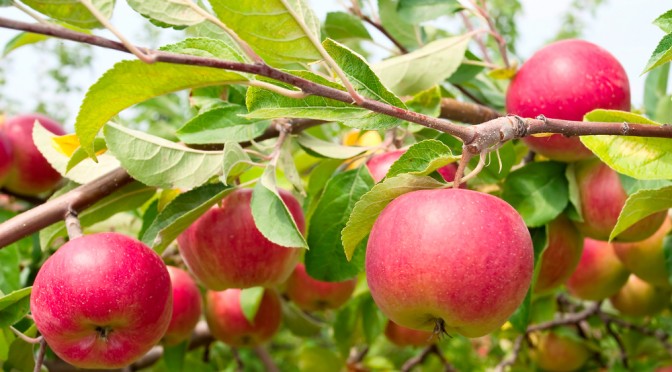
From pest management and monitoring to pollination support, SEMIOCHEMICA develops practical science for real agricultural systems.
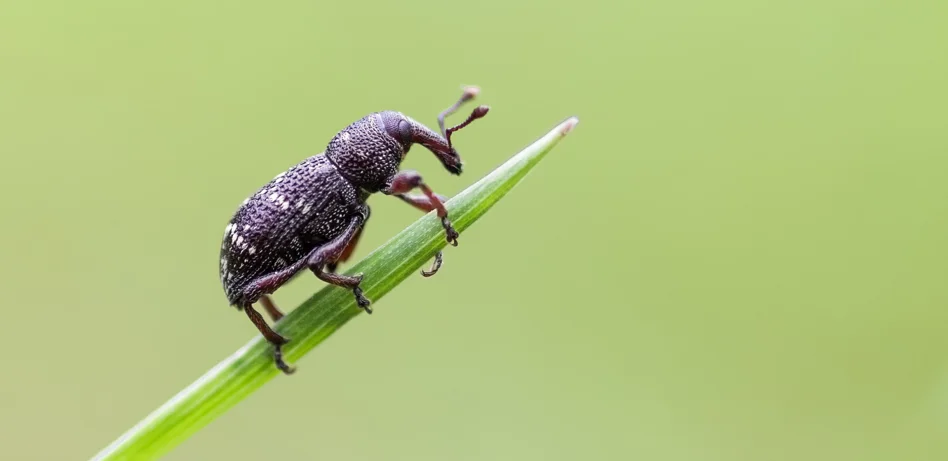
SEMIOCHEMICA is a science-led company focused on the discovery, development and application of semiochemicals for precise, environmentally responsible pest management.
Our scientific foundation combines decades of experience in insect chemical ecology, pheromone chemistry, organic synthesis, analytical chemistry, behavioural biology and field ecology. This allows us to follow a chemical signal from discovery and identification through synthesis, behavioural validation, lure optimisation and field application.
Semiochemicals are chemical signals that transmit information between organisms. In pest management, these highly specific signals can be used for monitoring, mass trapping, mating disruption and other forms of behavioural manipulation. Their selectivity creates opportunities to reduce or complement conventional insecticide use while improving the precision of pest-control programmes.
SEMIOCHEMICA is built around translation: taking rigorous chemical-ecology research and converting it into practical tools. We work across the full development pathway, from the chemistry of behaviourally active compounds to field-ready applications for growers, researchers, pest-management programmes and commercial partners.
Our team brings experience from research programmes in New Zealand, Sweden, Europe and North America, with work spanning economically important and invasive pest species, pheromone identification, stereochemically pure synthesis, host-derived volatiles, trapping systems and integrated pest management.
We connect analytical chemistry, synthesis, behaviour and field ecology so that promising signals can be developed into practical pest-management tools.
Species-specific chemical signals can enable highly targeted monitoring and control strategies with lower impact on non-target organisms and the wider environment.
Our work integrates chemistry and biology, bringing together the expertise needed to solve complex semiochemical problems and move efficiently from laboratory evidence to field performance.
Our work spans crop pollination, orchard systems, pest monitoring and semiochemical applications from laboratory insight to field deployment.
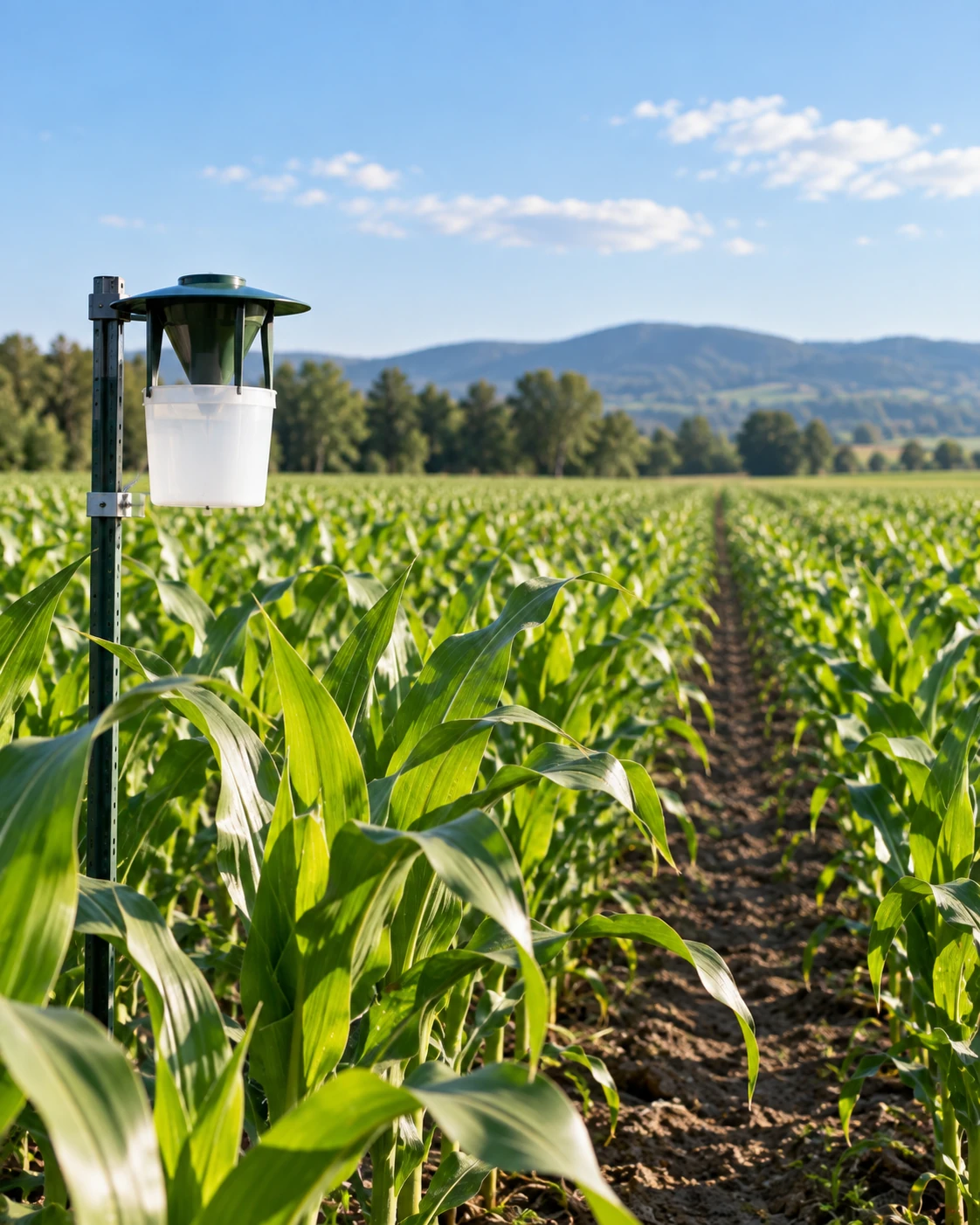

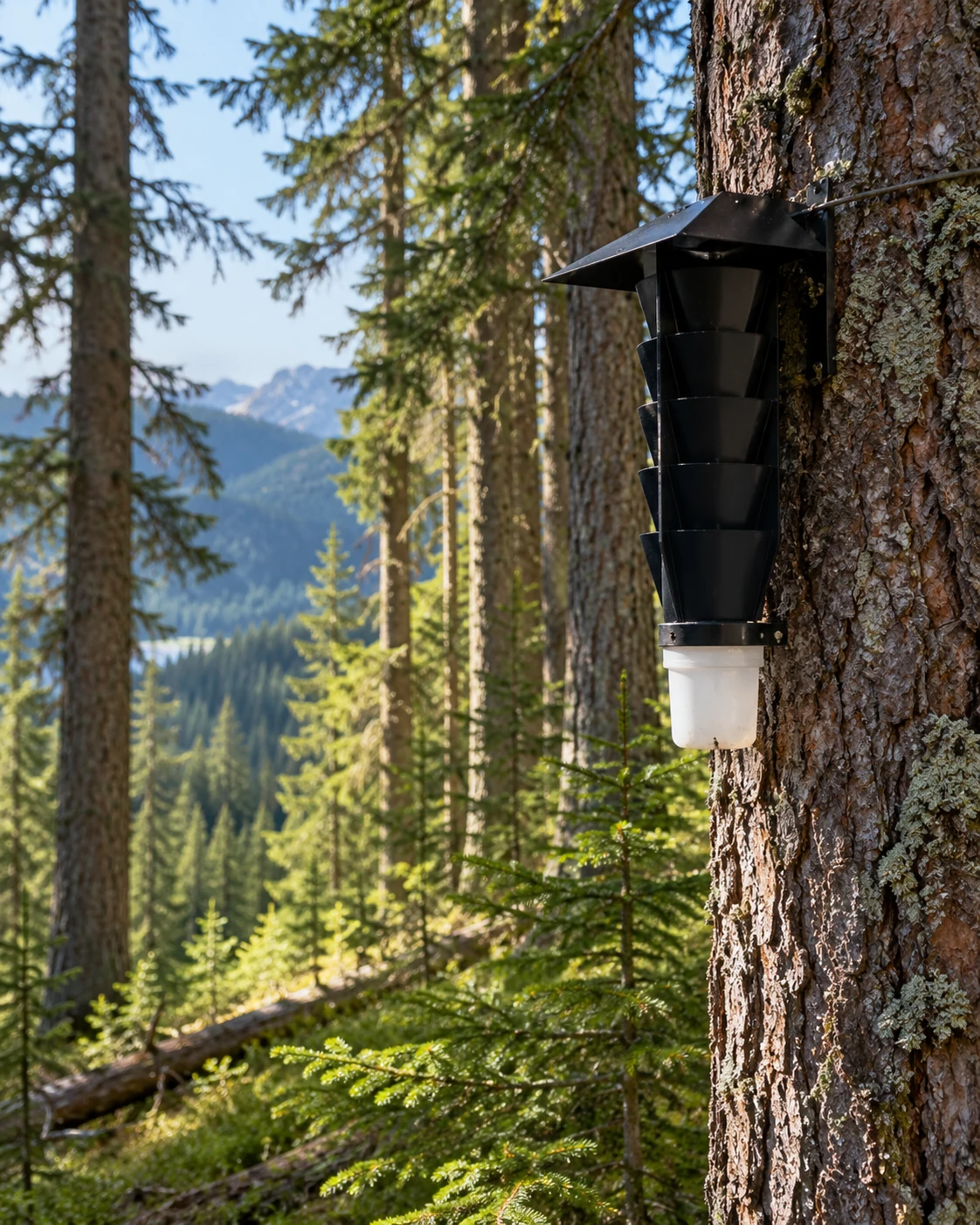
From first evidence to field application, each stage is designed around the biological question and the practical objective.
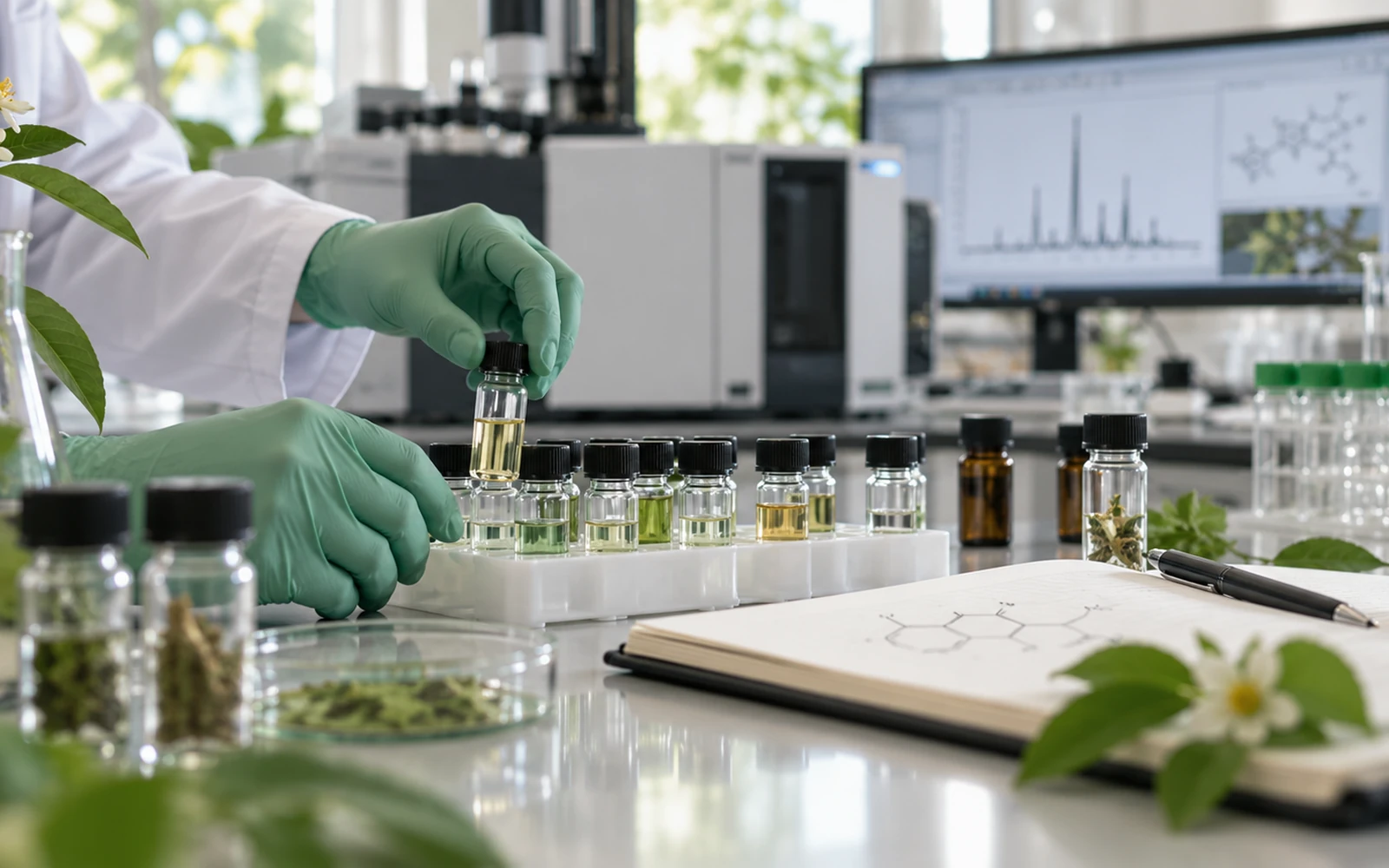
Study chemical signals associated with pest behaviour and identify promising candidates for monitoring or management.
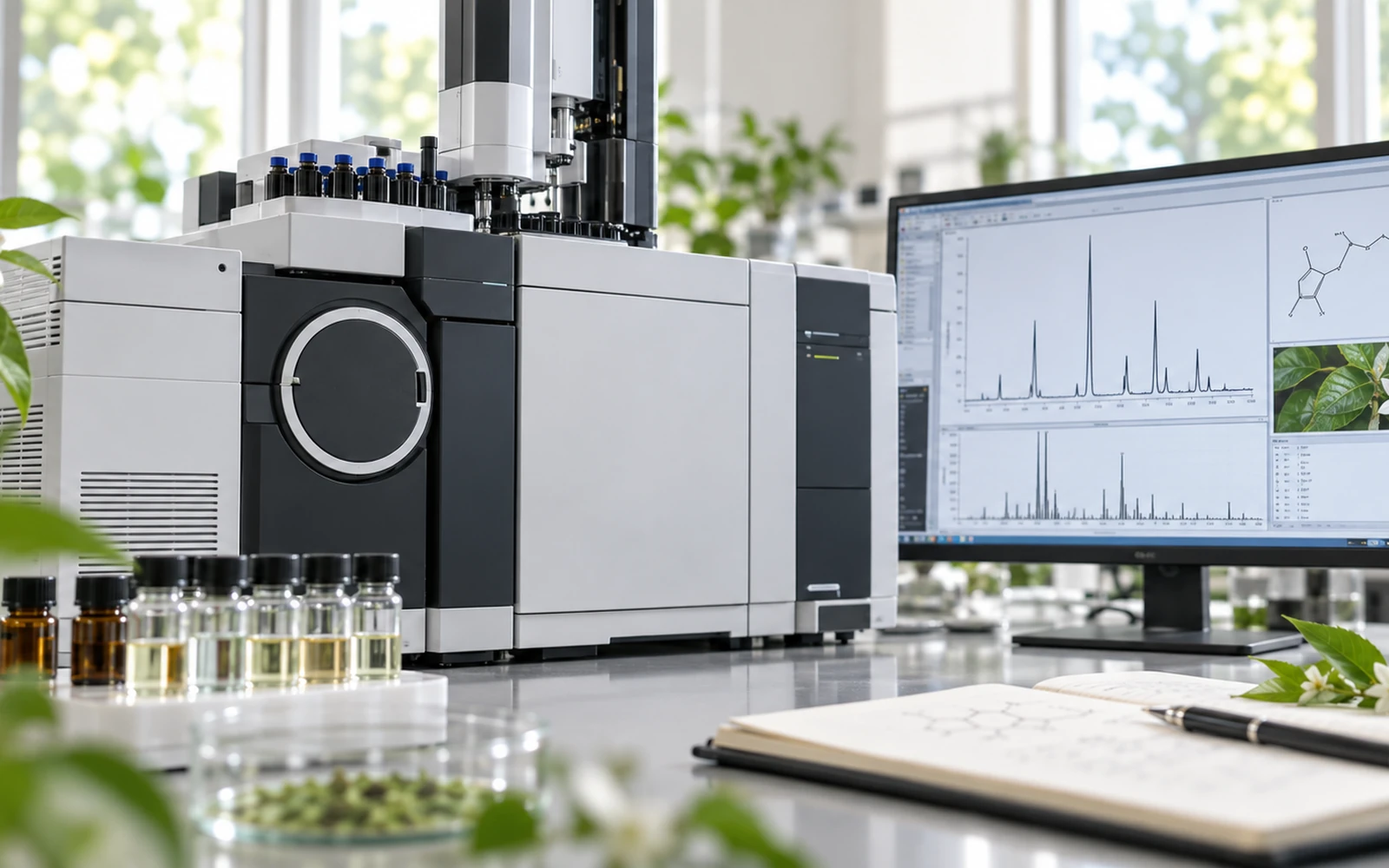
Interpret analytical evidence and support compound identification using GC/MS, retention data and reference standards.
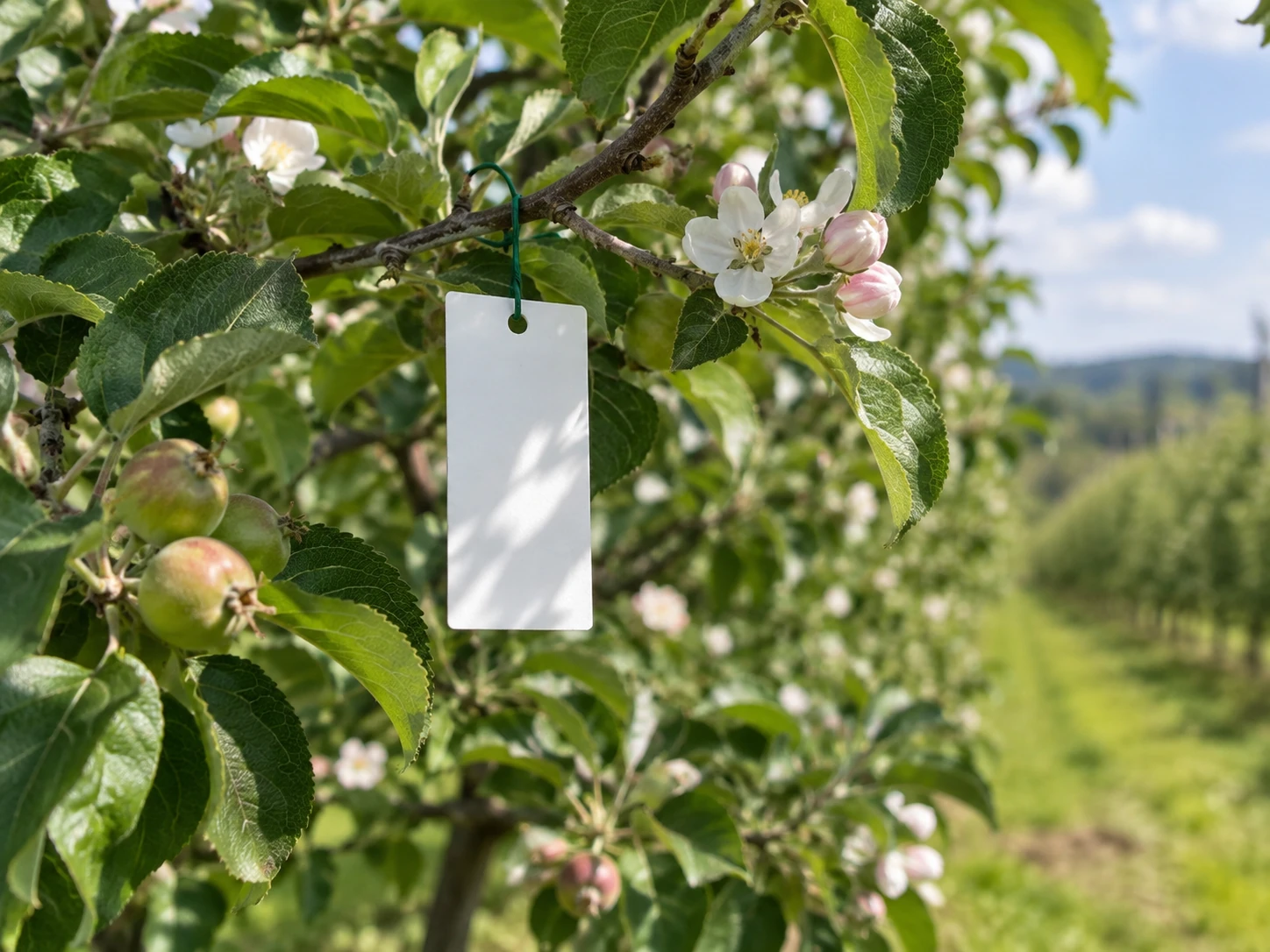
Optimise blends, ratios, dose, release systems and formulation concepts for robust field performance.
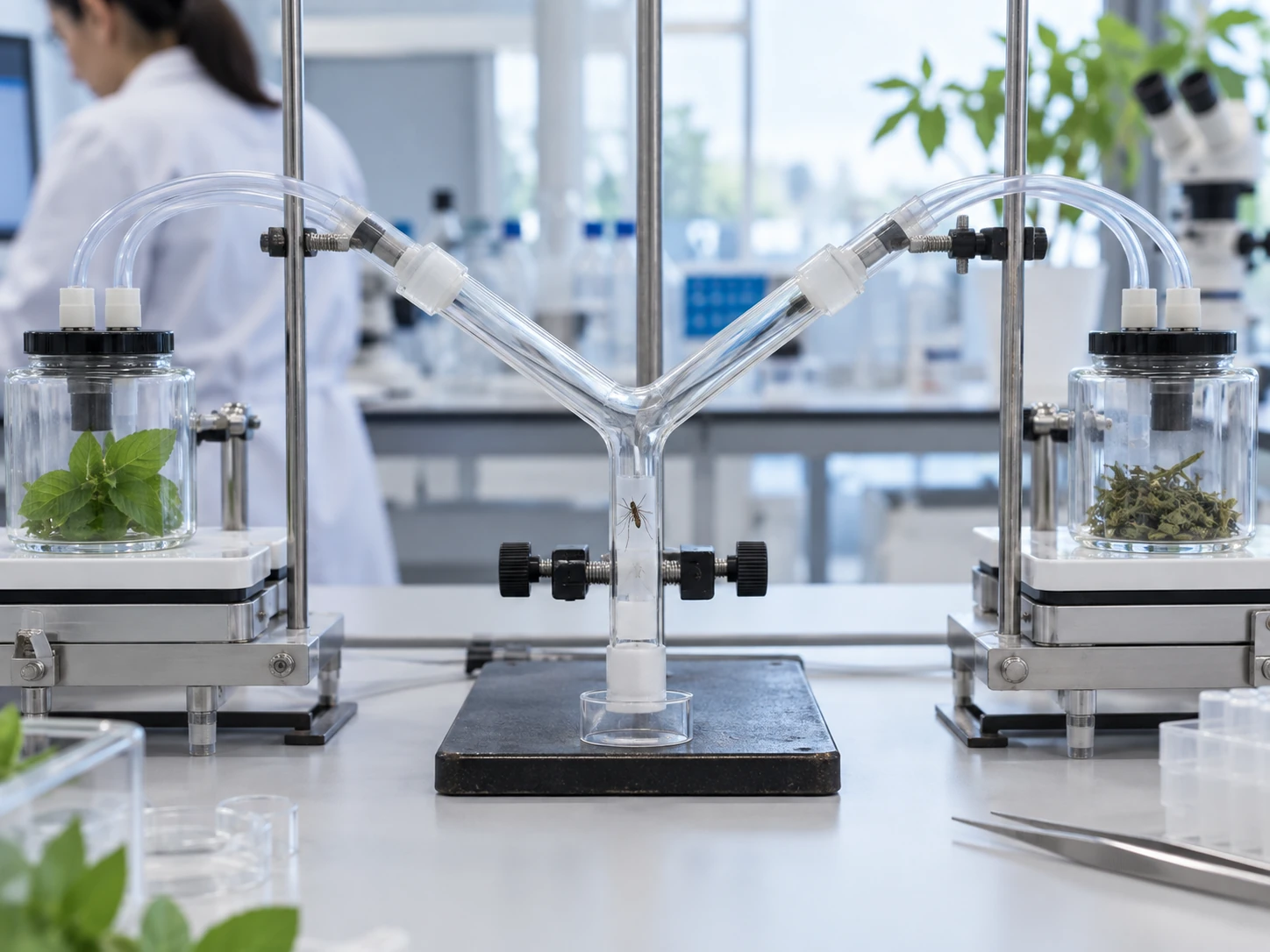
Design and interpret laboratory or controlled-environment experiments to test attraction, repellency and behavioural response.
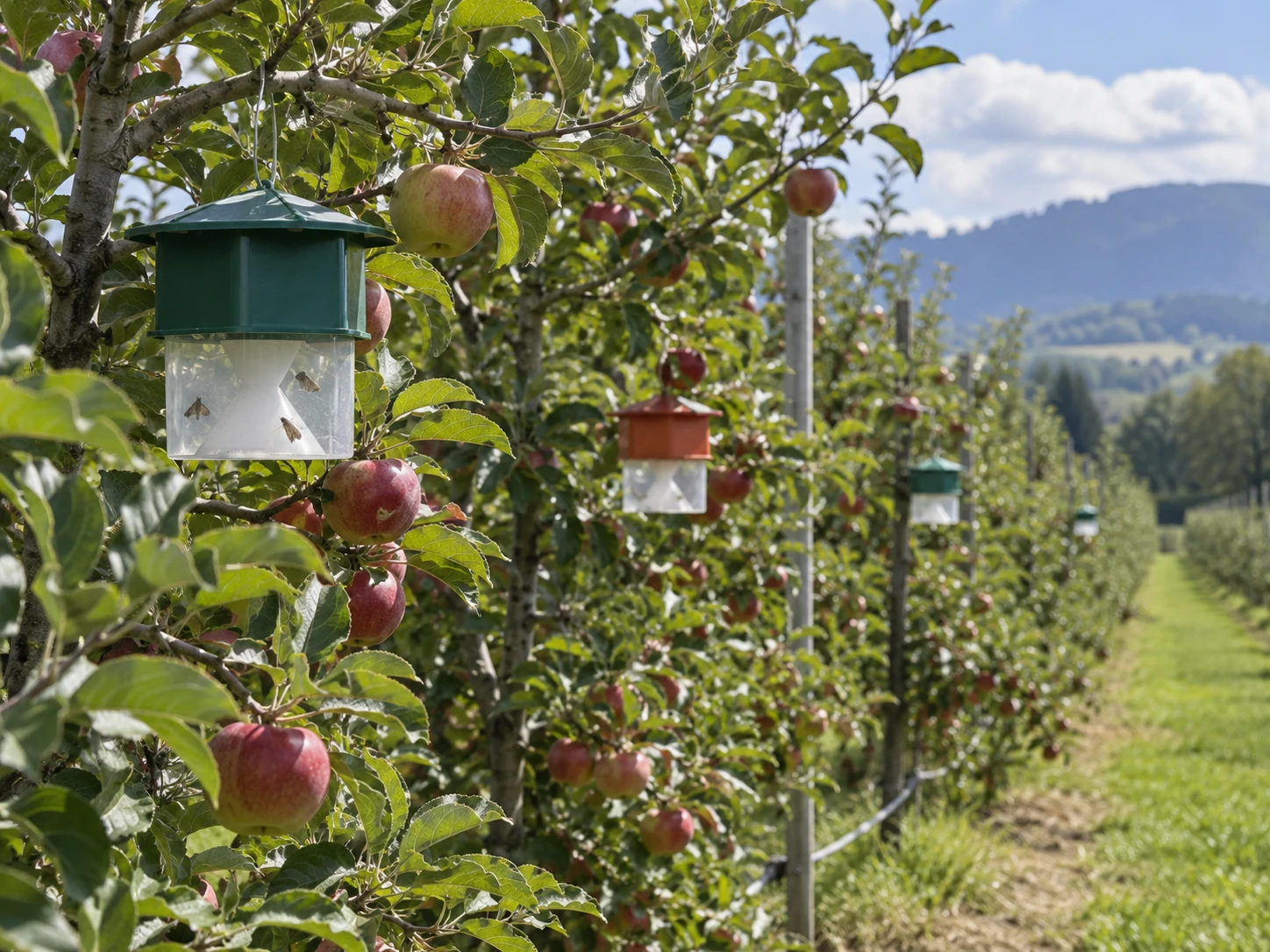
Develop trials that measure performance under real conditions and convert results into clear development decisions.
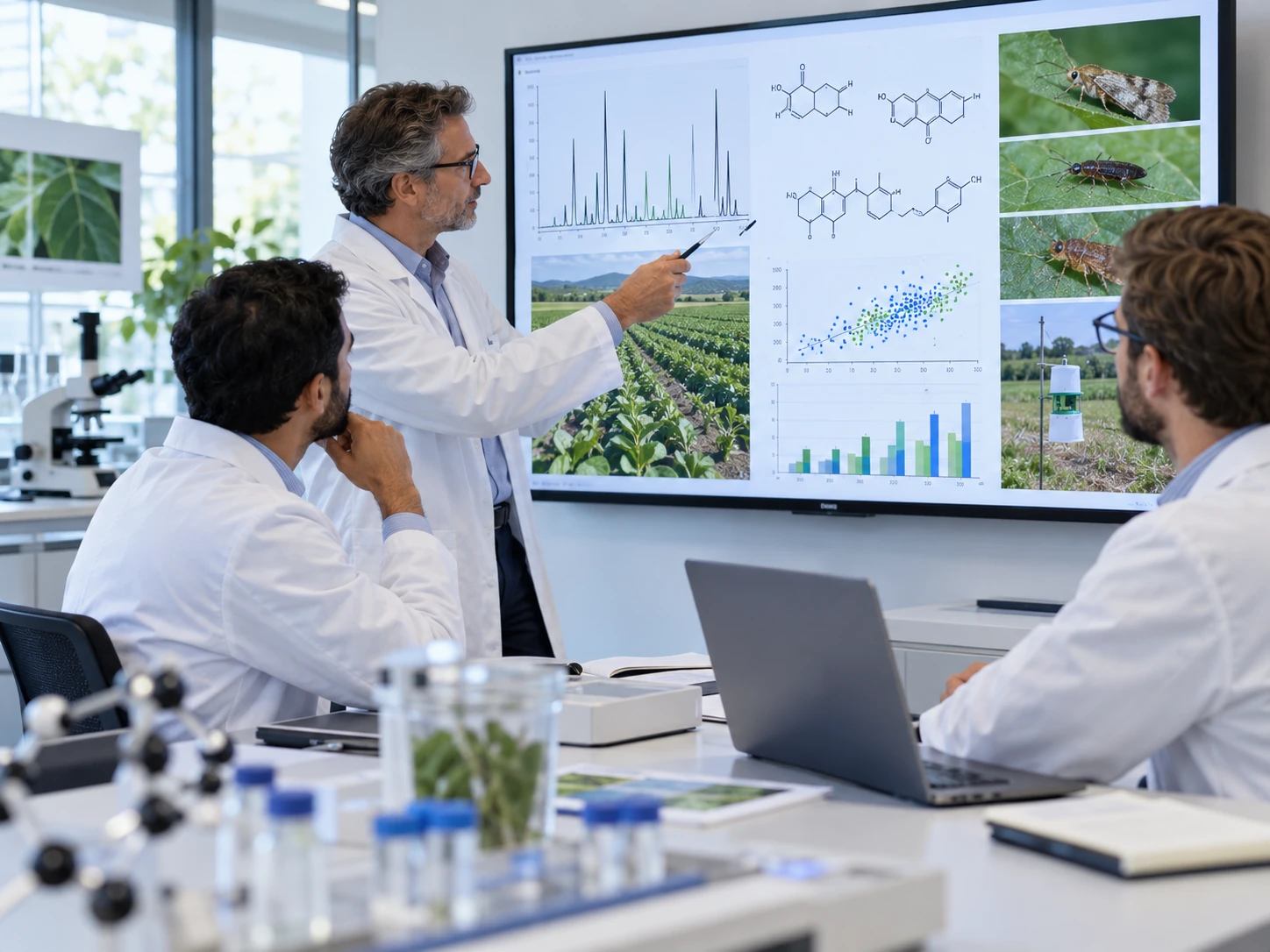
Specialist advice for research programmes, product development, evidence review, experimental design and R&D strategy.
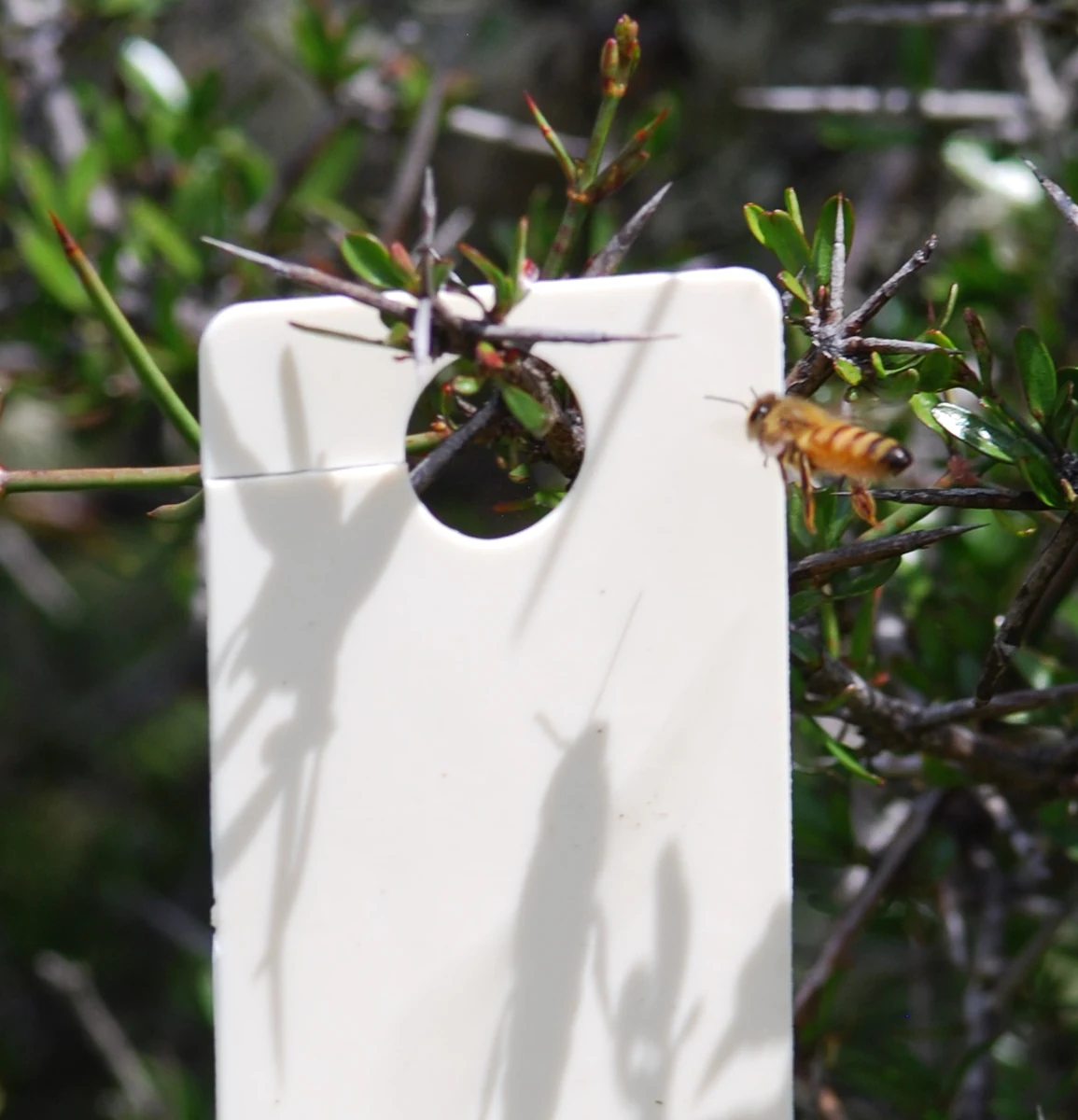
XtraBee is a pollination-enhancement platform developed to attract and retain pollinators within treated crop areas, supporting more consistent pollinator activity where natural visitation is limiting.
The formulation uses food-grade materials and honey-origin chemical cues and is designed for practical point-source or sprayable application. It is intended for crops facing pollinator competition, complex pollination systems, or inadequate fruit set.
Clarify the pest problem, biological system and development goal.
Find the chemical and behavioural evidence that matters.
Refine blend, dose, delivery and experimental design.
Test performance under representative field conditions.
Translate evidence into practical pest-management use.
Semiochemical projects succeed when chemistry, biology and field reality are considered together. SEMIOCHEMICA is built around that intersection.
SEMIOCHEMICA combines complementary expertise in organic chemistry, insect chemical ecology, pheromone discovery and the translation of semiochemical science into practical pest-management solutions.

Rikard Unelius is an organic chemist with more than four decades of experience in pheromone research, pheromone biochemistry and applied chemical ecology. His work began with pheromone synthesis and later expanded into pheromone-binding proteins, stereoselective synthesis and the preparation of behaviourally active semiochemicals.
He has led and contributed to international projects on pest monitoring and control, including bark beetles, vectors of Chagas disease, pine weevils, mealybugs and invasive insect pests. Much of his research has focused on developing efficient syntheses of biologically active semiochemicals for use in integrated pest management.
His career has included research and academic positions at the Royal Institute of Technology in Stockholm, Linnaeus University and research institutes in New Zealand. He has published 105 peer-reviewed papers and patents.

Ashraf M. El-Sayed is a chemical ecologist specialising in insect semiochemicals, with a focus on the identification, synthesis and application of pheromones for environmentally sustainable pest management. He is Director of The Pherobase and serves as Adjunct Professor at Linnaeus University, Sweden.
His research integrates analytical chemistry, behavioural biology and field ecology to understand chemical communication in insects and develop practical tools for monitoring, mass trapping, mating disruption and other forms of behavioural manipulation.
He has held senior research positions in New Zealand, Europe and North America, including Principal Scientist at Plant & Food Research. His work has contributed to pheromone identification for numerous economically important pests and to commercial pest-management technologies designed to reduce reliance on conventional insecticides.
He is also the founder and developer of The Pherobase, a globally used knowledge resource supporting research and applications in chemical ecology, agriculture and pest management.
Whether you are interested in XtraBee, a new pheromone programme, chemical identification, lure development, behavioural testing or field validation, send us a short description of the challenge.